our practice
nick shipp architects is a practice operating to provide successful, creative architecture, through elegantly functional design.
in 1989 a group of young london architects formed aldo rossi coffee club architecture from which nick founded nsa in fulham, in 1991 and in 1998 moved to studios in bath.
for over 30 years we have built a diverse portfolio of successfully completed projects from which our experience and judgements are based. We have never sought to limit our architectural design to a particular style, type or scale, which has developed in us a broad expertise of both complex and simple architecture.
our productive studio remains committed to investing in industry leading technology as well as maintaining a fun and enjoyable working environment for employees and clients alike. this has led us to achieve an enviable 99.5% success rate through the planning system.
the practice exists to enjoy the creative fruits of its work, whilst steering a path to fully achieve its aspirations to make a difference and realise its potential for success. we work to make the lives of our clients more enjoyable and rewarding through their experience with our buildings; places which live on into the indefinite future and are designed, like ourselves, to grow old gracefully.
what we do
we enjoy the challenge to create successful and creative architecture through vigorous commitment to design method, cost and time control. these remain prerequisites on any project to achieve both cost certainty and added value.
as a practice of designers, we recognise that good buildings need close relationships with our clients which we nurture at every stage, supported by the creative, trusting and skilful work that involves all members of the design and construction teams.
our passion and commitment to environmental, social and economic sustainability is supported by efficient and elegant technical design solutions that address and resolve issues as an integral part of a responsible and forward looking strategy towards off-grid autonomy. we insulate through the cost barrier and ventilate beautifully.
upon invitation, we will give our time to discuss ideas with a prospective client for an initial evaluation. we are happy to continue to work on a keen hourly rate to ascertain a preliminary feasibility result, and follow this with an architectural service offer for agreement and embark on a design process that meets expectations for agreed cost, quality and time.
nsa provides full architectural services in most building sectors from inception to project completion, supported by a commitment to ensure successful professional working relationships between client, consultants, contractors and statutory consultees. we work particularly closely with key consultants, where we have established track records for the successful delivery of structural engineering solutions, cost reporting and assistance in the areas of planning consultancy, ecology and the environment, interior and landscape design. the consultants we work alongside are mostly local to us in bath and each bring different attributes that are honed to the type and scope of the project in hand.
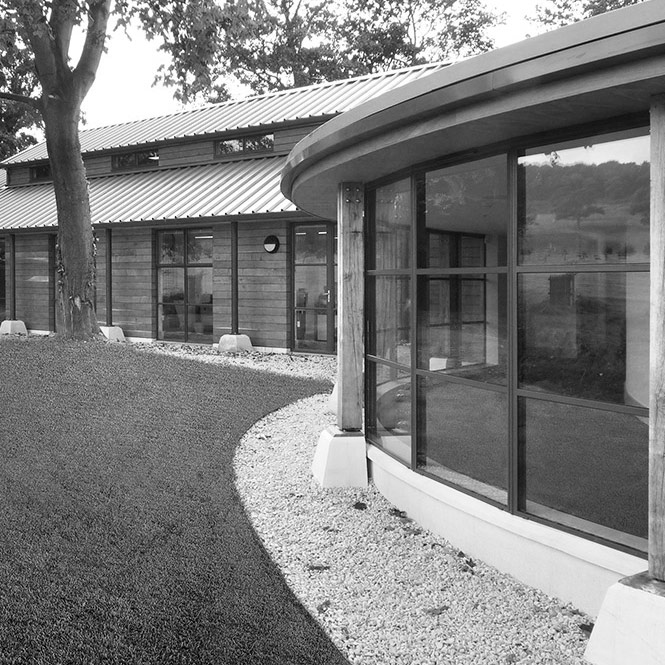
the 7 premises
these set out to describe our approach to architecture, as it is moulded and honed to suit the unique characteristics of each design challenge.premise 1
understand a client’s aspirations for design, budget and programme
this prerequisite for the success of projects, is what we do and attempt to get better at doing with each completed scheme. Listen carefully to a brief and interpret ideas into exciting schemes.
effective architecture results from detailed analysis and a thorough understanding of a clients requirements. skill, imagination and ingenuity are needed to unravel elegant architectural solutions that are functionally connected and cost-controlled alongside a programme that we strive to maintain on all stages of the project.
premise 2
evolve an environmental and sustainable strategy that considers all aspects of building design
european environmental strategies remain well in advance of the uk. we remain exigently high energy consumers for buildings, transport systems, working practices and lifestyle choices and we need to rethink our priorities to avoid the global distress that our children’s children’s planet will inherit.
our design solutions appraise the appropriate use of materials and systems to include sustainability audits that cover whole life cycle efficient energy usage of a building from inception to completed construction. we embrace steps that aim to address these challenges beyond current regulation standards to offer exemplar projects that respond to the issues of fuel resource and climate change.
premise 3
integrate the design with its physical context
relationships between design and context inform the building to create timeless interplay and an inextricable part of the end result, giving our built designs a sense of place and a reason for not being ‘anywhere architecture’.
buildings must be contextually responsive to the many demands made on its siting and setting. landscape is part of this and our work is designed to maximise this aspect and the joined-up use of indoor/outdoor space to best effect with strong linkages for views, daylight, sun and wind sheltered privacy.
premise 4
understand the use of the senses in buildings to inform and beautify the experience
the ‘senses’ drive our feelings of well-being into the sublime where we are able to employ them in places and spaces we create.
sight – sunlight is free and used wisely to animate, tame and change the diurnal and seasonal character of space. the visual 3 dimensional interplay using form, colour and materiality for a considered aesthetic.
sound – design to attenuate or amplify or improve the quality of sound and solve the problems of finding silence.
touch – the tactile sense in architecture are the tactile components, the floors you walk upon in bare feet, every material, every texture.
smell – from floor polish to garden herbs. this is often highly undervalued as a perception.
taste – this must be described as good!
thought – …then ‘feeling’ are the natural extensions using multiples of the five senses.
premise 5
understand form and space in the context of the human condition
solid and void relationships are fundamental juxtapositions in the built environment. interior design skills and landscape design creativity are inherent in the architectural design of the whole.
humour and romance in architecture are often overlooked as costly or exigent add-ons. they are not. they respond to our need to make the places we occupy fun and memorable, on a day to day relationship with those spaces.
an understanding of feng shui to improve the awareness of energy that surrounds us is bound up in our emotional and physical wellbeing.
premise 6
articulate the inherent language of materials through elegant and practical detailing
we often say that the beauty, not the devil, is in the detail! get this right and the remainder of design falls into place. only partly true we know but without an approach to the act of joining materials elegantly and indeed practically, we will not be able to claim the design merit we strive to achieve.
premise 7
enjoy the rewards of our work
“life is for living and living is free” (acknowledgement barclay james harvest)
we apply this philosophy to all parts of the project development team. we need productive relationships with everyone we work with. the design team’s blueprints are translated into built structure with the skill of dedicated contracting teams. we work to make the lives of our clients more successful, enjoyable and rewarding for life-times spent in our buildings. these live on into the indefinite future and are designed, like ourselves, to grow old gracefully.
our team
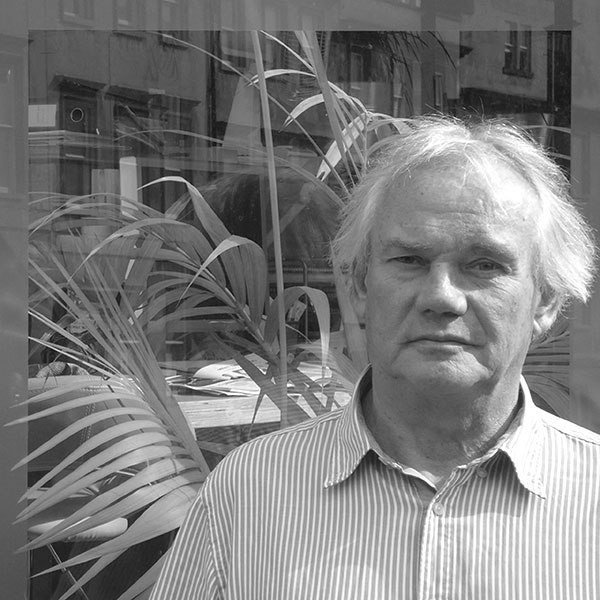
Nick Shipp
DipArch(cant), RIBA
Graduated in 1982. Nick worked for 5 years with ABWaters in London as a project architect. An interim sabbatical with Wheeler Associates, Los Angeles, was followed by the formation of his first practice ARCC with two other young London designers before setting up to practice in his own right. As an experienced architect on a wide range of work that also brought him into contact with interests for environmentally sensitive design and humid tropic architecture in West Africa and, latterly, Sri Lanka.

Name
Qualification
Description
Name
Qualification
Description